
How to Determine AC Unit Space Needs - Your Ultimate AC Space Requirements Guide
- AC Expert
- 3 days ago
- 4 min read
When it comes to keeping your home cool and comfortable, choosing the right air conditioning unit is just the beginning. One of the most overlooked but crucial factors is where and how much space your AC unit needs. If you’ve ever wondered how to size up the perfect spot for your AC, you’re in the right place. I’m here to walk you through everything you need to know about AC space requirements, so your unit runs efficiently and lasts longer.
Let’s dive in and make sure your AC setup is just right!
Understanding AC Space Requirements Guide: Why It Matters
You might think, “I just need a spot outside my house, right?” Well, it’s a bit more nuanced than that. The space around your AC unit affects airflow, maintenance access, and even the unit’s lifespan. If your AC is crammed into a tight corner or surrounded by obstacles, it can’t breathe properly. This leads to overheating, reduced efficiency, and higher energy bills.
Here’s what you need to keep in mind:
Clearance for airflow: Your AC unit needs room to pull in fresh air and expel hot air. Without this, it struggles to cool your home.
Maintenance access: Technicians need space to inspect, clean, and repair your unit. Tight spaces make this difficult and can increase service costs.
Noise considerations: Placing your unit too close to windows or living spaces can cause noise disturbances.
For example, if your AC is tucked behind bushes or too close to a wall, it’s like trying to breathe through a straw. Not fun, right? Giving your unit breathing room helps it work smarter, not harder.
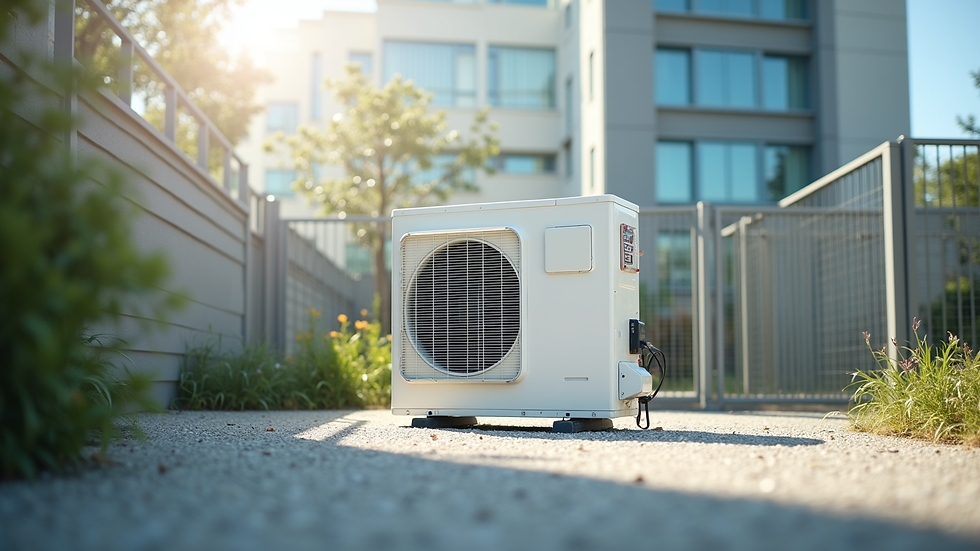
How Much Space Does an AC Unit Need? The Basics
You’re probably asking, how much space does an ac unit need? Great question! The answer depends on the size and type of your AC system, but there are some general rules to follow.
Most manufacturers recommend:
At least 2 feet of clearance on all sides of the outdoor unit.
5 feet of clearance above the unit to allow hot air to escape.
No obstructions like plants, fences, or walls within this space.
This space ensures your AC unit can pull in cool air and push out hot air without any blockages. If you want to get specific, you can check out this detailed guide on how much space does an ac unit need.
Also, keep in mind the unit’s size. Larger units need more space, so don’t try to squeeze a big system into a tiny spot. It’s like trying to park a truck in a compact car space - it just won’t work well.
What is the 20 Rule for Air Conditioning?
Now, let’s talk about a handy rule of thumb called the 20 rule. This rule helps you estimate the cooling capacity you need based on your room size, but it also ties into space planning.
Here’s how it works:
For every 20 square feet of room space, you need about 1 BTU (British Thermal Unit) per hour of cooling power.
For example, a 200 square foot room would need roughly 10,000 BTUs.
Why does this matter for space? Because the size of your AC unit (measured in BTUs) influences how much physical space it will take up. Bigger BTU units are larger and need more clearance.
This rule helps you avoid buying an undersized or oversized unit, both of which can cause problems. An undersized unit will run constantly and struggle to cool your home, while an oversized one will cycle on and off too quickly, wasting energy and wearing out parts.
Tips for Choosing the Right Location for Your AC Unit
Picking the perfect spot for your AC unit isn’t just about space. It’s about smart placement that maximizes efficiency and convenience. Here are some tips I’ve learned that can help:
Choose a shaded area: Direct sunlight heats up the unit, making it work harder. A shaded spot keeps it cooler and more efficient.
Avoid enclosed spaces: Don’t place your unit in a tight corner or inside a small enclosure. It needs open air to breathe.
Keep it away from windows and doors: This reduces noise disturbance inside your home.
Place it on a stable, level surface: A concrete pad or sturdy platform prevents vibrations and damage.
Consider future landscaping: Make sure plants or structures won’t grow to block airflow later.
For example, placing your AC unit on the north or east side of your home often works well because it avoids the hottest afternoon sun. Also, think about how easy it will be for technicians to access the unit for maintenance.

How to Measure and Prepare the Space for Your AC Unit
Before you install your AC unit, measuring and preparing the space is key. Here’s a simple step-by-step guide to get you started:
Measure the unit’s dimensions: Check the manufacturer’s specs for width, depth, and height.
Add clearance space: Add at least 2 feet on all sides and 5 feet above the unit.
Mark the area: Use spray paint or stakes to outline the space.
Clear the area: Remove any plants, debris, or obstacles.
Level the ground: Make sure the surface is flat and stable.
Install a concrete pad or platform: This keeps the unit off the ground and protects it from moisture.
If you’re replacing an old unit, take note of its location and clearance. Sometimes, you can use the same spot if it meets the space requirements.
Remember, a little extra prep now saves you headaches later. Your AC unit will thank you with better performance and fewer repairs.
Final Thoughts on AC Space Requirements
Getting your AC unit’s space right is a game-changer for comfort and efficiency. It’s not just about fitting the unit somewhere outside your home - it’s about giving it room to breathe, easy access for maintenance, and a spot that helps it work smarter.
By following the guidelines in this AC space requirements guide, you’ll enjoy a cooler home, lower energy bills, and a longer-lasting system. If you’re ever unsure, don’t hesitate to reach out to a trusted HVAC professional who knows the ins and outs of Polk County, FL.
Your home deserves the best, and so does your AC unit. Let’s keep things cool and comfortable all year round!



Comments